
Many men notice changes as they move through their 30s, 40s, and beyond. Energy levels dip. Recovery after workouts slows down. Motivation feels inconsistent. Even focus at work may not be as sharp as it once was.
It’s easy to blame stress, long work hours, or simply aging. And sometimes those factors are absolutely part of the picture. But in some cases, low testosterone may contribute to these changes.
On the Gold Coast, awareness around men’s hormone health has grown significantly in recent years. More men are seeking medical advice rather than self-diagnosing or ignoring persistent symptoms. Understanding your treatment options is the first step toward making informed decisions about your health.
What Low Testosterone Really Means
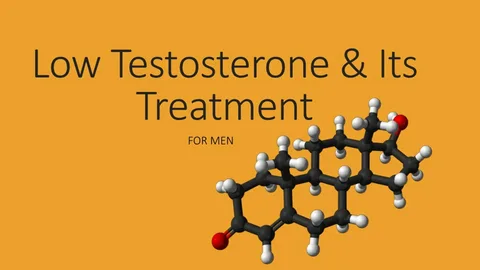
Testosterone is a hormone that plays a central role in muscle mass, bone density, red blood cell production, mood, libido, and overall vitality. According to medical research on testosterone replacement therapy, treatment is typically considered when testosterone levels are consistently low and accompanied by clinical symptoms.
Common signs of low testosterone may include:
- Ongoing fatigue
- Reduced muscle strength
- Increased body fat
- Low motivation
- Mood fluctuations
- Decreased sexual drive
However, these symptoms are not exclusive to hormone imbalance. Poor sleep, chronic stress, thyroid issues, and even nutritional deficiencies can produce similar effects.
That’s why a proper medical evaluation is essential before considering treatment.
Step One: Comprehensive Assessment and Testing
Before any treatment is recommended, a thorough assessment should take place.
On the Gold Coast, reputable clinics typically begin with:
- A detailed health questionnaire
- A review of symptoms and medical history
- Early morning blood testing
- Evaluation of related health markers
Blood tests often measure:
- Total testosterone
- Free testosterone (the active portion available to tissues)
- Oestrogen levels
- Red blood cell count
- Liver function
- Cholesterol levels
For example, a 42-year-old professional feeling constantly drained may discover his testosterone levels are within normal range, but his sleep quality is poor. In contrast, a 55-year-old recreational athlete struggling with strength decline may show clinically low levels that require attention.
Assessment prevents unnecessary treatment and ensures decisions are data-driven.
Lifestyle Changes as a First Approach
In some cases, low-normal testosterone levels may respond well to lifestyle improvements rather than immediate hormone therapy.
For example:
- Strength training can stimulate natural testosterone production.
- Improving sleep quality may regulate hormone rhythms.
- Reducing body fat can help balance hormone levels.
- Managing stress lowers cortisol, which interacts with testosterone.
Many clinics will discuss these foundational strategies before initiating therapy, especially if hormone levels are only slightly below optimal.
Lifestyle modification isn’t a quick fix, but for some men, it can significantly improve symptoms without medical intervention.
Testosterone Replacement Therapy (TRT)
If blood tests confirm clinically low testosterone and symptoms align, Testosterone Replacement Therapy (TRT) may be recommended.
The goal of TRT is not to push levels beyond normal ranges. Instead, it aims to restore testosterone to a healthy therapeutic level that supports energy, strength, mood, and overall wellbeing.
Treatment methods may include:
- Injectable testosterone
- Topical gels or creams
- Other medically supervised options
Each approach has its pros and cons, and the best option depends on individual preference, lifestyle, and medical history.
For instance:
- A busy tradesman may prefer less frequent injections.
- An office professional might opt for topical treatment if flexibility is important.
Personalisation is key.
Ongoing Monitoring for Safety
One of the most important aspects of TRT is monitoring.
Hormones influence multiple systems in the body. Regular blood tests help ensure:
- Testosterone levels remain within a safe range
- Oestrogen levels stay balanced
- Red blood cell counts do not rise excessively
- Cardiovascular markers remain stable
For example, testosterone therapy can increase red blood cell production. While this may improve oxygen delivery and stamina, levels that rise too high require adjustment to reduce potential risks.
Regular follow-ups allow healthcare providers to fine-tune dosage and ensure long-term safety.
If you’re exploring treatment options locally, you can visit link to review structured assessment processes and learn how personalised care is delivered on the Gold Coast.
Responsible treatment is never rushed — it’s monitored carefully.
Considering Broader Health Factors
Hormone therapy is only one part of the picture.
Men experiencing low testosterone symptoms are often encouraged to evaluate broader health areas such as:
- Nutrition quality
- Alcohol consumption
- Sleep consistency
- Stress levels
- Exercise habits
For example, excessive alcohol intake can negatively impact hormone production. Chronic sleep deprivation disrupts endocrine function. A poor diet may contribute to metabolic imbalance.
Addressing these areas alongside treatment improves outcomes and supports long-term wellbeing.
Mental and Emotional Benefits
Many men focus on physical improvements, but mental clarity and mood are equally important.
Low testosterone has been linked to reduced motivation and mood instability. When hormone levels are restored appropriately, some men report:
- Improved focus
- Greater emotional stability
- Enhanced confidence
- Increased drive
For example, a business owner may find decision-making feels sharper. A father juggling work and family responsibilities may feel more present and energised.
Balanced hormones can influence more than just physical strength.
Is Treatment Right for Everyone?
Not necessarily.
TRT is typically reserved for men with a confirmed deficiency and consistent symptoms. It is not intended as a general anti-aging solution or performance enhancement tool.
Some men may benefit from lifestyle changes alone. Others may require short-term therapy with ongoing monitoring.
The key is individual evaluation.
Final Thoughts
Low testosterone can affect many aspects of daily life — from energy and strength to mood and motivation. On the Gold Coast, treatment options range from lifestyle optimisation to medically supervised hormone therapy.
The most important step is not jumping straight into treatment but starting with a proper assessment.
With thorough testing, personalised care, and ongoing monitoring, men can make informed decisions about their hormone health.
Balance — not excess — remains the ultimate goal.