

If you have ever been called for an occupational health examination don’t worry you are not alone. Most employees throughout the UK undergo it. But there is a very common question everyone wants to know what not to say to occupational health UK.
Let’s discuss it in a brief friendly manner so that you go in confidently and tension free.
What Is Occupational Health and Why It Exists
Before knowing what not to say to occupational health UK let’s know what it actually is.
Occupational health (OH) is a service that aims to guard employees’ health in the workplace. It ensures that your work does not damage your health and your health does not prevent you from working safely.
Simply put OH cares for you not criticizes you.
Why People Worry About Occupational Health Appointments
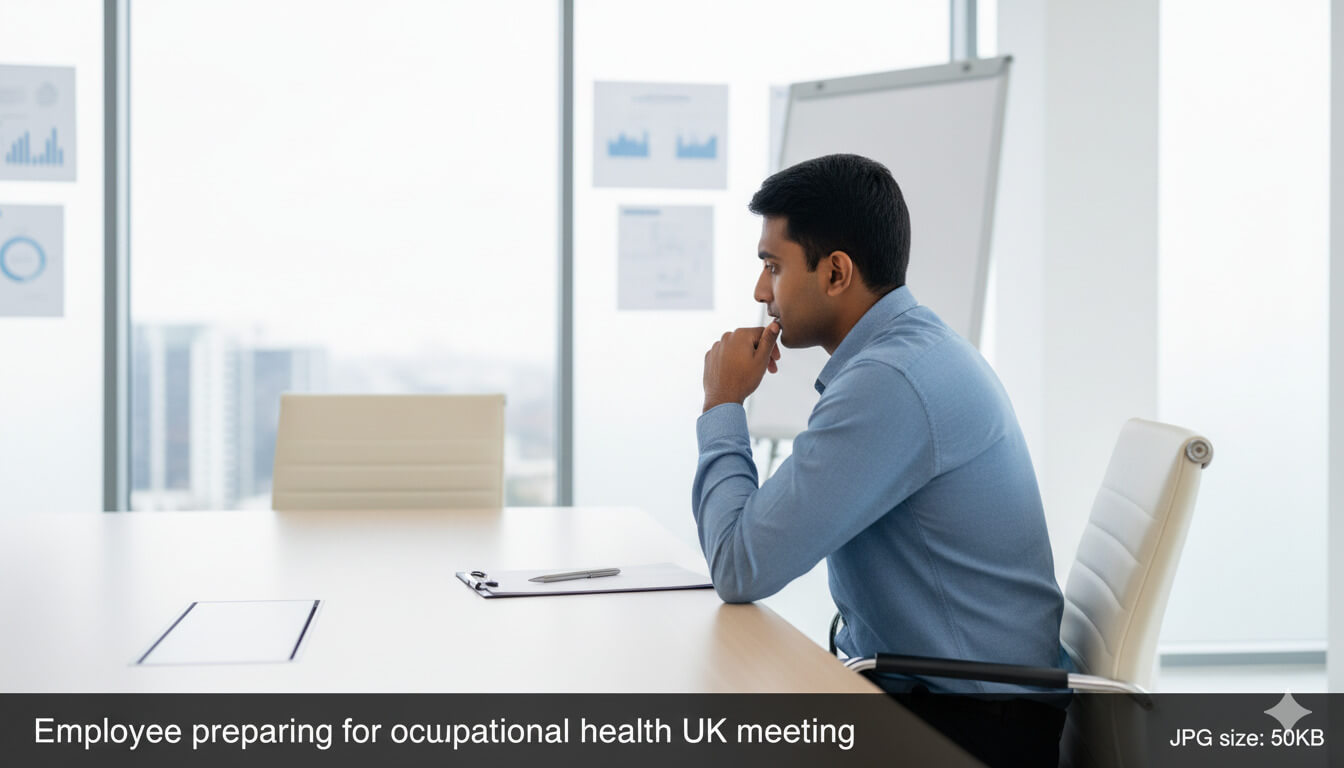
A lot of employees freak out when they receive an invitation for an occupational health meeting. They fear that they will say something inappropriate or be sacked.
But the fact is occupational health experts are impartial. They don’t negatively report you to HR they advise both you and your employer.
And yet being clever with words is a big help. That’s why it’s helpful to know what not to say when you visit occupational health UK.
What Not to Say to Occupational Health UK
Here’s what you do NOT want to say during your assessment and an alternative.
-
I Hate My Job
Even if you’re fed up don’t say it outright. It comes across as unhelpful.
Better
I’ve been finding certain parts of my job stressful and would like to find ways to manage it better.
This shows maturity and openness exactly what occupational health values.
-
There’s Nothing Wrong With Me.
If your employer referred you it’s for a reason maybe stress sickness absence or workload. Denying everything can seem defensive.
Better
I’ve been improving recently but I’d like to check if I’m fully fit for work.
A calm evenhanded attitude is most effective.
-
My Doctor Said I Can’t Work
Take care here. You may refer to your GP’s recommendation but leave the tone open.
Better
My GP advised rest but I am willing to talk about a return plan safely when it is feasible
Do remember OH is about adjustments not condemnations.
-
I Don’t Need Any Adjustments
Issuing this could shut doors on assistance you do require.
Better
I feel okay but I’m open to any suggestions that could make things easier at work.
That’s exactly how to sound cooperative and smart.
-
My Manager Doesn’t Understand Me.
Avoid personal complaints. Occupational health isn’t there to solve office politics.
Better
I’ve been facing some communication challenges that affect my wellbeing.
You stay professional while still being honest.
-
I Can’t Do My Job At All.
Honesty is good but hopelessness isn’t.
Better
Certain parts of my job have become difficult but I’m open to finding practical solutions.
That’s what occupational health wants to hear balance and effort.
-
I Don’t Trust Occupational Health.
Understandable fear but saying it can create tension.
Better
This process is new for me so I’d appreciate knowing how my information is used.
This builds trust instead of distance.
Common Mistakes People Make During Assessments

Even if individuals are aware of what not to say to occupational health UK they can still make minor errors.
Steer clear of these
Grossing up or downplaying your symptoms.
Talking emotionally rather than calmly.
Showing up without your GP notes or list of medication.
Treating it as a job interview it isn’t.
Be honest relaxed and cooperative. That’s the winning strategy.
How to Prepare for an Occupational Health Appointment
Here’s how to do it like a pro
Note down your symptoms and work problems before attending.
Be honest about stress workload or changes in your health.
Demonstrate a willingness to solve problems.
Inquire about adjustments support or return to work plans.
These small steps demonstrate you value your wellbeing and your work.
After the Occupational Health Meeting

Following your meeting the specialist writes up a report with
Your work fitness.
Suggested adjustments.
Recovery or support recommendations.
You’ll normally receive a copy as well. Confidentiality applies to personal details so there’s no need to worry about privacy.
That’s why honesty and openness in what not to say to occupational health UK situations benefits both parties.
FAQs What Not to Say to Occupational Health UK
Q Will I be in trouble for saying the wrong thing
No but it may be confusing. Remain calm clear and honest.
Q Is occupational health connected with HR
They can speak but OH is concerned about your health.
Workplace policies are dealt with by HR.
Q Can they tell me to quit work
They can tell you to rest or make changes but they don’t get rid of people that’s your employer’s call.
Last Words
Occupational health is not your nemesis it’s your backup. Once you know what not to say to occupational health UK you convert a stressful encounter into a constructive professional one.
So enter boldly be truthful and solutions oriented. That’s the most effective way to demonstrate that you are concerned about your career and your health.