
Introduction: What Are PLG Supplies and Why Should You Care?
In today’s fast-paced work environment, businesses of all sizes rely on a wide range of materials and tools to keep operations running smoothly. Whether you manage a school, hospital, factory, or construction site, there’s always a long list of behind-the-scenes items that keep everything moving forward. These often-overlooked essentials are known as PLG supplies.
PLG stands for Procurement, Logistics, and General Supplies. While the name might sound technical, it’s really just a smart way of referring to the vital tools, equipment, and materials that support everyday tasks. These items range from cleaning products and safety gear to plumbing parts and office stationery.
This guide will help you understand what PLG supplies are, why they matter, who uses them, and how to manage them effectively. Whether you’re running a small business or managing a large organization you’ll find practical insights to streamline your operations.
Breaking Down the Term: What Does PLG Actually Include?
PLG supplies cover a wide range of categories. Below are the most common items businesses source through PLG channels:
1. Plumbing Supplies
-
Pipes (PVC, copper, steel)
-
Valves, faucets, and connectors
-
Drainage fittings and water tanks
2. Lighting Equipment
-
LED bulbs and light panels
-
Emergency lighting systems
-
Light switches, motion sensors, and timers
3. Safety Gear (PPE)
-
Helmets, safety vests, and goggles
-
Protective gloves, boots, and earplugs
-
Respirators and face shields
4. Industrial Tools
-
Power tools and hand tools
-
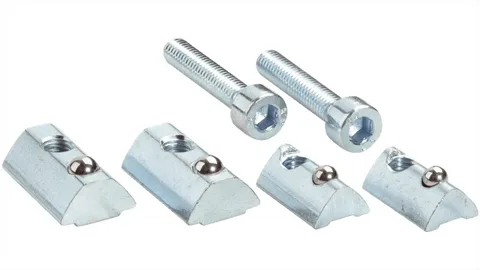
Screws, nuts, bolts, and fasteners
-
Workbenches, ladders, and toolboxes
5. Cleaning and Janitorial Supplies
-
Disinfectants, wipes, and sprays
-
Mops, buckets, and squeegees
-
Trash bags, soap, and sanitizers
6. Office and Packaging Materials
-
Pens, folders, and labels
-
Tape, boxes, and shipping supplies
-
File organizers and mailing envelopes
One of the key benefits of using a dedicated PLG supplier is convenience. Instead of managing multiple vendors, you can consolidate purchases and streamline deliveries from one source.
Why PLG Supplies Are Essential for Business Operations
Though they often go unnoticed, PLG supplies are the unsung heroes of every workplace. They form the foundation of daily operations, helping businesses maintain productivity, safety, and organisation.
Here’s why businesses invest in PLG supply management:
1. Ensures Smooth Operations
Running out of key supplies can delay critical tasks. PLG systems keep stock levels steady, so work continues without interruptions.
2. Improves Workplace Safety
High-quality personal protective equipment (PPE) and safety gear reduce the risk of accidents and promote compliance with health and safety regulations.
3. Saves Time and Money
Bundled purchasing through a PLG vendor helps you get discounts, track expenses, and avoid paying for emergency restocking.
4. Supports Compliance and Quality Standards
Reputable PLG suppliers provide certified products that meet industry standards whether they’re electrical components or sanitation products.
5. Simplifies Procurement
A single point of contact means fewer invoices, simplified reporting, and faster issue resolution.
Who Uses PLG Supplies?
PLG supplies are used across a wide range of industries. Here’s a look at where they’re most commonly found:
Construction
From safety vests and gloves to power tools and piping materials, construction sites are heavily reliant on well-stocked PLG inventories.
Healthcare
Hospitals and clinics depend on PLG for cleaning products, PPE, plumbing systems, and specialised lighting.
Education and Office Environments
Schools and offices use PLG supplies for everyday essentials like stationery, lighting, janitorial products, and air filters.
Warehousing and Manufacturing
Factories and storage facilities require everything from HVAC filters to industrial shelving and packaging supplies.
Government and Public Works
Municipal agencies need road signage, plumbing repair items, safety gear, and emergency response tools.
How PLG Has Evolved Over Time
Years ago, businesses had to juggle multiple vendors and handle logistics manually, which created inefficiencies and delays. Over time, the need for integrated systems led to the rise of the PLG model an approach that combines procurement, logistics, and general supply management into one streamlined service.
Modern PLG providers now offer:
-
Online ordering dashboards
-
AI-based inventory predictions
-
Real-time order tracking
-
Paperless invoicing
-
Eco-friendly product alternatives
The result? Businesses save time, reduce waste, and improve supply chain efficiency.
How to Choose the Right PLG Supplier
Choosing a reliable PLG supplier is crucial. Here’s what to look for:
-
Product Range Can they meet all your needs from tools to PPE?
-
Certifications Do their products meet safety and quality standards?
-
Delivery Speed Can they deliver quickly and consistently?
-
Technology Do they offer online tools for tracking and reordering?
-
Sustainability Do they offer green or eco-friendly options?
Ask for references or testimonials to ensure you’re partnering with a supplier you can trust.
Sustainability in PLG: A Growing Priority
As businesses strive for greener operations, PLG suppliers are offering more sustainable alternatives. These include:
-
Biodegradable cleaning products
-
Recyclable or reusable packaging
-
Low-energy lighting
-
Reusable safety equipment
-
Carbon-neutral shipping options
Investing in sustainable PLG supplies isn’t just good for the planet—it’s also a great way to align with your company’s CSR goals and enhance your brand image.
Common Mistakes to Avoid with PLG Supplies
Even with the right tools, mismanagement can lead to problems. Here are the most common mistakes:
-
Ordering low-quality supplies to cut costs
-
Over-ordering and causing inventory waste
-
Ignoring safety or quality certifications
-
Not conducting regular stock checks
-
Overlooking employee feedback on supply needs
Avoiding these issues helps maintain efficiency and ensures your team has the tools they need.
Final Thoughts: PLG Supplies Are the Backbone of Business
PLG supplies are much more than just tools and materials—they are essential to keeping your business operational, safe, and efficient. With the right supplier and smart inventory practices, you can reduce costs, increase productivity, and ensure compliance across the board.
If your organization hasn’t yet streamlined its supply chain with a PLG solution, now is the time to start. Whether you’re running a small office or managing multiple job sites, having a trusted PLG partner can make all the difference.