
Hey there! Ever found yourself staring at a recipe wondering how many grams are in a pound? You’re definitely not alone. Whether you’re baking cookies or trying to convert measurements for a science project, this conversion comes up all the time. Let’s dive into everything you need to know about converting grams to pounds and vice versa.
The Simple Answer: How Many Grams Are in a Pound?
Here’s the straightforward answer you’re looking for: one pound equals exactly 453.592 grams. That’s the official conversion rate used worldwide. But don’t worry about memorizing all those decimal places. For most everyday cooking and baking, you can round it to 454 grams per pound.
Think of it this way: if you have a pound of flour, sugar, or any ingredient, you’re holding about 454 grams in your hands. This knowledge becomes super helpful when you’re following recipes from different countries or using a kitchen scale that measures in grams.
Why Do We Need to Convert Between Grams and Pounds?
Great question! The world uses two main measurement systems. The United States primarily uses the imperial system with pounds and ounces. Meanwhile, most other countries use the metric system with grams and kilograms. This difference creates the need for conversions.
When you’re cooking international recipes, shopping online, or working on school projects, you’ll often encounter both systems. Understanding how many grams in a pound helps you navigate between these measurement worlds effortlessly. It’s like being bilingual but with numbers!
Easy Formula for Converting Grams to Pounds
To convert grams to pounds, divide your grams by 453.592. Here’s the simple formula that works every time:
Pounds = Grams ÷ 453.592
Let’s try a practical example. Say you have 1000 grams of chicken. To find out how many pounds that is, you’d calculate: 1000 ÷ 453.592 = 2.2 pounds. Pretty straightforward, right?
For quick mental math, you can divide by 454 instead. It’s close enough for most cooking situations and much easier to calculate in your head.
Read Also: Quotela.net: A New Home for Words That Matter
Converting Pounds to Grams Made Simple
Going the other direction is just as easy. To convert pounds to grams, multiply by 453.592. The formula looks like this:
Grams = Pounds × 453.592
Let’s say you need 2.5 pounds of potatoes for a family dinner. In grams, that would be 2.5 × 453.592 = 1,134 grams. Now you know exactly what to look for when shopping with a metric scale.
This conversion becomes especially useful when you’re doubling or halving recipes. You can easily adjust ingredient amounts using whichever measurement system feels more comfortable to you.
Common Kitchen Conversions You’ll Actually Use
Here are some everyday conversions that’ll save you time in the kitchen. These rounded numbers work perfectly for most cooking and baking needs:
Quarter pound conversions:
- 1/4 pound = approximately 113 grams
- 1/2 pound = approximately 227 grams
- 3/4 pound = approximately 340 grams
- 1 pound = 454 grams
These fractional conversions are incredibly handy when you’re working with butter, meat, or other ingredients commonly sold by the quarter or half pound. Most kitchen scales display both measurements, so you can double-check your conversions.
Practical Tips for Kitchen Conversions
When you’re cooking or baking, precision matters differently depending on what you’re making. For bread and pastries, exact measurements can make or break your results. However, some recipes don’t require absolute precision, especially soups, stews, and casual cooking.
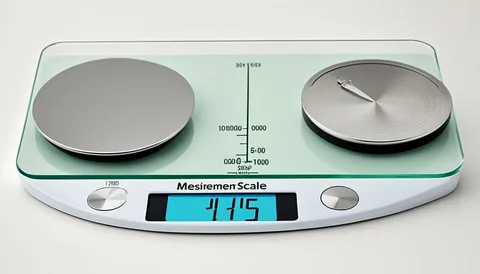
Here’s a helpful trick: invest in a kitchen scale that shows both grams and pounds. This eliminates guesswork and makes following any recipe much easier. You’ll wonder how you ever cooked without one!
Also, keep a conversion chart handy in your kitchen. Write down the most common conversions you use on a sticky note and place it where you can easily see it while cooking.
Understanding Weight vs Mass in Conversions
Let’s clear up a common confusion. Technically, pounds measure weight while grams measure mass. In everyday cooking, this difference doesn’t matter much. Whether you’re on Earth or the moon, your recipe ingredients will work the same way!
The conversion between grams and pounds stays consistent for all practical cooking purposes. So don’t worry about getting too technical. Focus on getting your measurements right, and your food will turn out delicious.
Digital Tools and Apps for Quick Conversions
While knowing the basic conversion is important, technology can make your life easier. Many smartphones have built-in conversion calculators. Just search “how many grams in a pound” and you’ll get instant results.
There are also countless cooking apps with built-in converters. These tools become lifesavers when you’re in the middle of cooking and need quick answers. Some even let you input your entire recipe and convert all ingredients at once.
Don’t forget about voice assistants either. You can ask Siri, Alexa, or Google Assistant for instant conversions while your hands are busy cooking.
International Recipe Adventures
Understanding gram to pound conversions opens up a whole world of international cooking. European recipes typically use grams, while American recipes use pounds and cups. With conversion knowledge, you can confidently try recipes from anywhere.
Many professional chefs prefer metric measurements because they’re more precise. Once you get comfortable with grams, you might find them easier to work with too. They’re especially helpful for baking, where precision makes a noticeable difference.
Start by trying one international recipe per week. Use conversions to adapt the measurements to what feels comfortable for you. Soon, you’ll be cooking dishes from around the globe!
Scientific and Educational Applications
Beyond cooking, knowing how many grams in a pound helps with school science projects, chemistry experiments, and general education. Many science classes use metric measurements, even in the United States.
If you’re helping kids with homework or working on your own projects, these conversions become essential. Understanding both measurement systems makes you more versatile in academic and professional settings.
The conversion factor of 453.592 grams per pound is based on the international avoirdupois pound, which is the standard used in the United States and many other countries.
Shopping and Portion Control
When grocery shopping, understanding weight conversions helps you make better decisions. You can compare prices between metric and imperial measurements more easily. This knowledge also helps with portion control and meal planning.
Many food labels show both measurements, but knowing the conversion lets you double-check serving sizes. This becomes particularly useful when you’re tracking nutrition or managing dietary requirements.
Restaurant portion sizes often use these measurements too. Understanding them helps you make informed choices about how much food you’re ordering or preparing.
Historical Context of Pound and Gram Measurements
The pound has ancient origins, dating back to Roman times. The word comes from the Latin libra pondo which is why we abbreviate pounds as “lb.” The gram, meanwhile, comes from the French metric system developed in the late 1700s.
These measurement systems evolved separately, which explains why conversions aren’t neat, round numbers. The decimal places in 453.592 reflect the historical development of these different systems.
Understanding this history helps explain why we have seemingly random conversion factors. It’s not random at all it’s the result of centuries of measurement evolution!
Common Mistakes to Avoid
Here are some pitfalls to watch out for when converting between grams and pounds. First, don’t confuse fluid ounces with weight ounces. They measure different things entirely and have different conversion rates.
Second, be careful with rounding. While 454 grams works fine for most cooking, precise baking might need the exact 453.592 figure. Know when precision matters and when approximations work fine.
Finally, double-check your math direction. Are you converting grams to pounds or pounds to grams? Mix this up, and your recipe portions will be way off!
Building Conversion Confidence
The best way to master these conversions is through practice. Start by converting the ingredients in recipes you use regularly. Soon, common conversions will become second nature.
Keep a notebook of your most-used conversions. Write down how many grams are in the pound measurements you encounter most often. This personal reference guide becomes invaluable over time.
Remember, even professional chefs and bakers keep conversion charts handy. There’s no shame in double-checking your math – it’s actually the mark of a careful cook!
Conclusion: Mastering the Gram to Pound Conversion
Now you know that one pound contains 453.592 grams and you have the tools to convert between these measurements confidently. Whether you’re following a European baking recipe, planning meal portions, or helping with homework, this knowledge serves you well.
The key is practice and having reliable tools available. Start with simple conversions and work your way up to more complex recipe adaptations. Before long, you’ll be switching between grams and pounds like a pro chef.
Remember, cooking is about enjoying the process and sharing good food with people you care about. Don’t let measurement conversions stress you out. With these tips and a little practice, you’ll handle any recipe that comes your way, regardless of which measurement system it uses. Happy cooking!