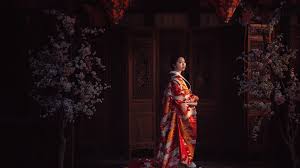

Few wardrobe pieces are as effortlessly versatile as a kimono. Light, flowy, and easy to layer, it can transform even the simplest outfit into something that feels polished and intentional. Whether you’re pairing it with jeans and a tank top, layering it over a swimsuit, or styling it for a dinner out, a well-chosen kimono adds movement and personality.
Shopping online makes the search convenient — but it also means you can’t try pieces on before buying. That’s why knowing what to look for matters. Choosing the perfect kimono isn’t just about picking a pretty print. It’s about fit, fabric, occasion, and how it complements what you already own.
Let’s break it down simply and practically.
Start With Your Lifestyle, Not Just the Trend
Before browsing, think about where and how you’ll wear your kimono.
Are you looking for something breezy for beach holidays? A lightweight layer for summer evenings? A statement piece for events? Or an everyday addition to elevate casual outfits?
For example:
- A busy professional might want a neutral-toned kimono to throw over a simple dress for after-work dinners.
- A traveler may prefer a wrinkle-resistant fabric that packs easily.
- A creative entrepreneur might gravitate toward bold prints to reflect personality.
Just like in interior design, where function guides form, your lifestyle should guide your fashion choices.
It’s easy to get drawn to trending patterns or dramatic silhouettes. But if the piece doesn’t fit your routine, it will sit unused in your closet.
Pay Attention to Fabric and Movement
Fabric plays a huge role in how a kimono looks and feels. The right material can make it flow beautifully; the wrong one can feel stiff or heavy.
Lightweight fabrics like chiffon, rayon, or silk blends tend to drape well and create elegant movement. Cotton blends may offer more structure and breathability for everyday wear.
If you’re shopping online, read the product descriptions carefully. Look for clues about weight, texture, and care instructions. Understanding a bit about textile materials helps you imagine how the garment will behave in real life.
For example:
- A sheer chiffon kimono works beautifully over swimwear.
- A thicker woven fabric pairs better with structured outfits, such as tailored trousers.
- A silky finish adds a dressier feel for evening events.
Movement matters too. One of the defining features of a kimono is its flow. When you walk, the fabric should move naturally rather than cling or pull.
Consider Fit and Length
Unlike fitted blazers or tailored dresses, kimonos are generally designed to be relaxed. However, “relaxed” doesn’t mean shapeless.
Look at:
- Sleeve length (three-quarter sleeves are popular and practical)
- Overall length (cropped, mid-thigh, or full-length)
- Shoulder structure (drop-shoulder styles feel more casual)
Length can dramatically change the look of an outfit. A shorter kimono feels playful and easygoing, while a long, floor-length version creates drama and elegance.
For petite frames, extremely long styles may overwhelm proportions unless paired carefully. Taller individuals may find longer silhouettes especially flattering.
Online size charts are helpful, but also consider how you like clothing to sit on your body. If you prefer layering over thicker outfits, allow for extra room.
Think in Outfits, Not Single Pieces
One of the smartest shopping strategies is visualizing at least three outfits you can create with a new piece before buying it.
Ask yourself:
- Can I wear this with my existing jeans?
- Does it complement my go-to summer dress?
- Will it work with neutral basics?
A patterned kimono often pairs best with solid-colored outfits underneath. For example, a floral print over black leggings and a white tank top creates balance. A neutral kimono, on the other hand, allows you to experiment with bolder accessories.
Fashion stylists often build wardrobes around versatile anchor pieces. A kimono can act as that anchor — but only if it integrates well with what you already own.
If you’re browsing curated selections of stylish women’s kimonos online, focus on designs that complement your existing color palette rather than completely shifting your style direction.
Patterns, Prints, and Personality
Kimonos are known for their prints — florals, geometric patterns, abstract designs, and culturally inspired motifs.
Choosing the right pattern depends on how bold you want your statement to be.
- Subtle prints feel timeless and versatile.
- Large, vibrant patterns become focal points.
- Monochrome designs are easy to mix and match.
In creative industries like art or marketing, expressive fashion can enhance personal branding. In more conservative settings, softer tones may feel more appropriate.
It’s not about limiting your style. It’s about aligning it with your comfort level and environment.
Quality Over Quantity
Fast fashion makes it tempting to buy multiple inexpensive pieces. But quality often makes a bigger impact than quantity.
Check for:
- Clean stitching
- Durable seams
- Clear fabric descriptions
- Transparent return policies
Higher-quality garments tend to drape better and maintain their shape after washing. Just as investing in well-made furniture or reliable tech equipment pays off over time, investing in well-made clothing does too.
Final Thoughts
Choosing the perfect stylish women’s kimono online isn’t about following every trend. It’s about understanding your lifestyle, recognizing what flatters your body, and selecting pieces that enhance your existing wardrobe.
Start with the function.
Consider fabric and movement.
Visualize complete outfits.
Prioritize quality.
When you approach online shopping with intention rather than impulse, you’re more likely to build a wardrobe that feels cohesive and authentic.
A thoughtfully chosen kimono doesn’t just complete an outfit — it elevates it. And when it fits your life as well as your personal style, you’ll find yourself reaching for it again and again.