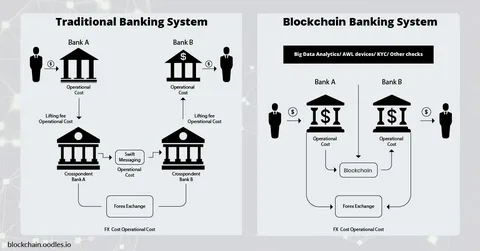

Did you know that blockchain casinos can process transactions in mere minutes, compared to traditional banks, which may take several days? This rapid efficiency, coupled with lower fees and enhanced privacy, is turning heads in the gaming industry. As you consider the implications of this shift, you might start to question how these decentralized platforms are not only appealing to players but also challenging the very foundations of conventional banking. What changes might this bring to the landscape of financial regulation and player trust?
The Rise of Blockchain Casinos

The emergence of blockchain casinos marks a significant evolution in the gambling landscape, blending technology with transparency and security. You’re witnessing an industry transformation where decentralized platforms offer players a new way to engage in gaming.
Unlike traditional casinos, blockchain casinos operate on peer-to-peer networks, which means you’re not reliant on a central authority to process transactions. This decentralization enhances the overall user experience, providing faster payouts and reducing the risk of fraud.
As you explore these new platforms, you’ll notice that they utilize smart contracts to facilitate gameplay. These self-executing contracts guarantee that the rules are applied fairly, instantly resolving disputes and eliminating the need for intermediaries.
With every transaction recorded on the blockchain, you can easily verify the integrity of the games you play, fostering trust in the system.
Moreover, blockchain casinos often accept cryptocurrencies, expanding your payment options and allowing for more seamless transactions. You’ll find that these casinos are increasingly appealing to tech-savvy gamblers who value privacy and autonomy.
Key Advantages Over Traditional Banking
Blockchain casinos offer several key advantages over traditional banking systems that can greatly enhance your gaming experience.
First, you’ll enjoy faster transaction times. Unlike traditional banks that may take days to process withdrawals, blockchain transactions are typically completed within minutes, allowing you to access your winnings quickly.
Second, lower fees are a significant benefit. Traditional banking systems often impose high fees for currency conversion and transaction processing. With blockchain casinos, you can often enjoy minimal or even zero fees, maximizing your gaming budget.
Third, you gain access to a broader range of cryptocurrencies. Most traditional banks limit the currencies they support, but blockchain casinos embrace various digital currencies, offering you flexibility and choice in how you deposit and withdraw funds.
Additionally, the decentralized nature of blockchain technology reduces reliance on third parties. This means you’re less susceptible to banking delays and intermediaries that can complicate transactions.
Lastly, blockchain casinos often feature innovative bonuses and promotions tied to cryptocurrency use, providing you with added incentives to play.
These advantages collectively create a more efficient, cost-effective, and enjoyable gaming environment compared to traditional banking systems.
Enhanced Privacy and Security

When it comes to online gaming, privacy and security take center stage, and blockchain casinos provide a remarkable solution. Unlike traditional banking systems that require personal information and sensitive data, blockchain technology allows you to engage in gaming activities without revealing your identity. This anonymity is built into the very fabric of blockchain, using cryptographic techniques to secure transactions and protect user information.
Moreover, every transaction on a blockchain is recorded on a decentralized ledger, making it nearly impossible for hackers to alter or tamper with data. This level of transparency guarantees that you can trust the integrity of the casino’s operations, as all activities are visible to participants without compromising personal details.
Additionally, the use of smart contracts automates processes, eliminating the need for intermediaries who could expose your information.
Speed and Efficiency of Transactions
In the fast-paced world of online gaming, speed and efficiency in transactions are crucial for an enjoyable experience. Blockchain casinos leverage technology to guarantee that you can deposit and withdraw funds almost instantaneously, eliminating the delays often associated with traditional banking systems.
Here’s how they achieve swift transactions:
-
Decentralization: By removing intermediaries, blockchain casinos streamline the transaction process, allowing you to send and receive funds directly.
-
Real-time Processing: Transactions occur in real-time on the blockchain, meaning you won’t have to wait hours or days for your funds to clear.
-
Global Accessibility: You can engage in gaming activities from anywhere, without worrying about banking hours or geographic restrictions.
-
24/7 Availability: Unlike traditional banks, blockchain systems operate around the clock, providing you with the flexibility to manage your funds whenever you want.
This enhanced speed and efficiency not only improve your gaming experience but also encourage more players to explore the blockchain alternative.
Lower Fees and Better Payouts

A notable advantage of blockchain casinos lies in their ability to offer lower fees and better payouts compared to traditional banking systems. Traditional casinos often impose hefty fees for transactions, which can eat into your winnings. With blockchain technology, these fees are minimized due to the decentralized nature of transactions. You’re not paying for intermediaries, which means more of your money goes directly to you.
Moreover, the payout rates at blockchain casinos tend to be higher. This is because smart contracts automate processes, ensuring prompt and fair distribution of winnings—something platforms like daftar slot online have increasingly emphasized to enhance player confidence. As a player, you can expect faster access to your funds. Instead of waiting days for withdrawals, blockchain casinos typically process transactions in a matter of minutes.
Additionally, blockchain’s transparency allows you to verify the fairness of games and payouts, which isn’t always possible with traditional systems. It gives you confidence that you’re receiving what you’re entitled to.
Impact on Financial Regulation
Steering through the evolving landscape of financial regulation, blockchain casinos challenge traditional frameworks by introducing decentralized, peer-to-peer transactions that often escape conventional oversight.
This disruption raises critical questions about how regulators can manage the risks associated with these innovative platforms without stifling their growth.
You’ll find that the impact on financial regulation can be summarized in four key areas:
-
Transparency: Blockchain’s inherent transparency allows for better tracking of transactions, which can enhance compliance but also complicate the regulatory environment.
-
Anonymity: While anonymity can protect user privacy, it poses challenges for anti-money laundering (AML) efforts, making it difficult for regulators to trace illicit activities.
-
Global Reach: Blockchain casinos operate across borders, complicating jurisdictional enforcement and requiring international cooperation among regulators.
-
Innovation versus Regulation: Striking a balance between fostering innovation and ensuring consumer protection is essential. Over-regulation might hinder the potential benefits these casinos offer.
In this dynamic environment, regulators must adapt quickly to effectively oversee this new sector while encouraging its responsible growth.
Your approach to understanding these complexities will shape how you navigate the future of online gaming.
Conclusion
As blockchain casinos continue to gain traction, the question looms: will traditional banking systems adapt, or will they be left behind? With their promise of faster transactions, lower fees, and enhanced privacy, these innovative platforms are reshaping the gaming landscape. You can’t ignore the impact on financial regulations either—will they keep pace with this disruption? The future of gambling is unfolding, and it’s clear that the stakes are higher than ever. Are you ready to embrace this change?