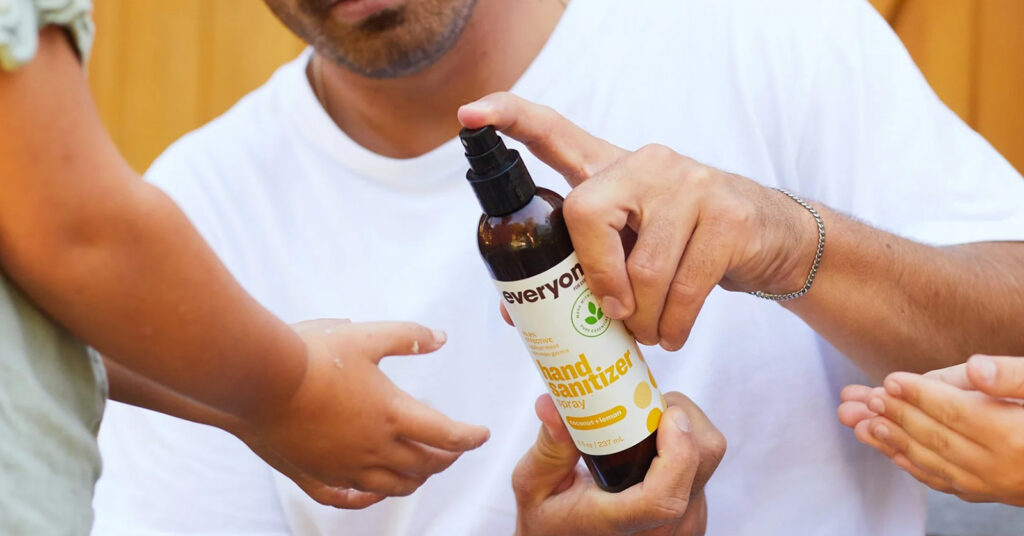

Introduction: Why Natural Hand Sanitiser Matters
Hand hygiene has always been essential, but it became a top priority during the global pandemic. While alcohol-based sanitisers quickly became a household necessity, many people also started noticing their side effects — dryness, irritation, strong chemical scents, and even harmful additives. This has sparked a shift toward natural hand sanitisers, which provide effective germ protection without the harshness of synthetic ingredients.
In this guide, we’ll explore what natural hand sanitiser is, how it works, its benefits, the best natural ingredients, DIY recipes, and tips for choosing safe and reliable products. By the end, you’ll understand why natural options are not just a trend but a healthier long-term choice for your hands and the planet.
What Is Natural Hand Sanitiser?
Natural hand sanitiser is a cleaning solution formulated with plant-based, non-toxic, and skin-friendly ingredients. Unlike traditional sanitisers that rely heavily on synthetic chemicals, natural ones are made with botanical extracts, essential oils, and naturally derived alcohol or alternative antibacterial agents.
The goal is simple: kill germs effectively while keeping skin nourished and avoiding harmful side effects.
Read Also: If You’re Confused About EO PIS You’re Not Alone. Let’s Clear It Up Together
Why the Demand for Natural Hand Sanitiser Is Rising
The shift toward natural hand sanitisers is not surprising. People are becoming more conscious about what they put on their skin — especially products used multiple times a day. Here’s why demand is growing:
- Health Concerns: Harsh sanitisers cause dry skin, eczema flare-ups, and allergic reactions.
- Children & Pets: Parents want safe options for their kids, avoiding chemicals like triclosan.
- Environmental Awareness: Eco-friendly formulas reduce water pollution and plastic waste.
- Clean Living Movement: Consumers prefer products with simple, natural, and transparent ingredients.
Key Benefits of Using Natural Hand Sanitiser
1. Gentle on Skin
Most natural sanitisers include moisturizing agents like aloe vera, glycerin, or coconut oil. These prevent dryness and keep your skin soft, even with frequent use.
2. Effective Germ Protection
Contrary to myths, natural hand sanitizers can kill up to 99.9% of germs when formulated correctly, especially when using ethanol from plant sources.
3. Free from Harmful Chemicals
They avoid harsh additives such as parabens sulfates phthalates, and synthetic fragrances that can irritate sensitive skin.
4. Naturally Pleasant Scents
Essential oils like lavender, peppermint, or tea tree oil give natural hand sanitisers refreshing aromas without overpowering chemical smells.
5. Eco-Friendly Choice
Most natural sanitisers use biodegradable ingredients and sustainable packaging, reducing your environmental footprint.
Common Ingredients in Natural Hand Sanitiser
Natural sanitisers rely on powerful yet safe ingredients. Here are the most common ones:
- Ethanol (Plant-Derived Alcohol): A natural disinfectant that kills germs effectively.
- Aloe Vera: Hydrates and soothes dry or irritated skin.
- Glycerin: A natural humectant that locks in moisture.
- Tea Tree Oil: Known for its antibacterial and antifungal properties.
- Lavender Oil: Offers a calming fragrance and antimicrobial action.
- Witch Hazel: A natural astringent with gentle antiseptic qualities.
- Lemon Oil or Citrus Extracts: Adds freshness and antibacterial benefits.
DIY Natural Hand Sanitiser Recipes
If you like homemade solutions, you can easily make natural hand sanitiser at home. Here are a few safe and effective recipes:
There are years that ask questions and years that answer. I hope she’ll be a fool — that’s the best thing a girl can be in this world. The fear of death follows from the fear of life.
Recipe 1: Basic Natural Sanitiser
- 2/3 cup plant-based ethanol (at least 60%)
- 1/3 cup aloe vera gel
- 10 drops tea tree oil
Mix well in a bottle and shake before use.
Recipe 2: Moisturizing Natural Sanitiser
- ½ cup ethanol
- ¼ cup aloe vera
- 1 tbsp glycerin
- 10 drops lavender essential oil
This version is perfect for people with dry or sensitive skin.
Recipe 3: Citrus Fresh Sanitiser
- 2/3 cup ethanol
- 1/3 cup aloe vera
- 5 drops lemon essential oil
- 5 drops orange essential oil
Leaves your hands smelling citrussy fresh.
Natural Hand Sanitiser vs. Traditional Sanitiser
| Feature | Natural Sanitiser | Traditional Sanitiser |
| Ingredients | Plant-based, eco-friendly | Chemical-based (synthetic alcohol, additives) |
| Skin Safety | Gentle, hydrating | Can cause dryness, irritation |
| Fragrance | Essential oils, mild scents | Strong artificial fragrance |
| Eco-Friendliness | Biodegradable, recyclable | Often harmful to the environment |
| Effectiveness | Kills 99.9% germs | Kills 99.9% germs |
Both are effective at killing germs, but natural sanitisers are safer and more sustainable.
How to Choose the Best Natural Hand Sanitiser
When shopping for a natural hand sanitiser keep these tips in mind:
- Check the Alcohol Content. Look for at least 60% plant-derived ethanol for proper germ protection.
- Look for moisturisers. Aloe vera, glycerin, or coconut oil help prevent dryness.
- Avoid Harsh Chemicals. Stay away from triclosan, parabens, sulfates, or synthetic dyes.
- Read Labels Carefully Choose products with transparent ingredient lists.
- Packaging. Opt for recyclable bottles or refill packs to reduce waste.
Myths About Natural Hand Sanitiser
- It doesnt work as well.
False. When formulated properly with the right alcohol percentage, natural sanitisers work just as effectively - They’re too expensive.
Not always. Many affordable natural options exist, and DIY recipes are cost-effective. - They dont smell nice.
Most natural products use essential oils which provide light and pleasant aromas.
Natural Hand Sanitiser for Kids and Sensitive Skin
Children often have delicate skin, making natural hand sanitiser the safest option. Gentle formulas with aloe vera and glycerin help protect against dryness while keeping germs away. If your skin reacts easily to chemicals, switching to a natural option can significantly reduce irritation.
The Role of Natural Hand Sanitiser in Eco-Friendly Living
Sustainability isn’t just about recycling or using less plastic. It’s also about choosing products that are safe for the environment. Natural hand sanitisers often use biodegradable formulas and eco-conscious packaging, making them an important part of a green lifestyle.
The Future of Natural Hand Sanitiser
The demand for natural alternatives will continue to grow as people prioritize health and sustainability. Expect to see more:
- Zero-waste packaging options.
- Refills to reduce plastic.
- Wider distribution in supermarkets and pharmacies.
- New natural disinfectant technologies.
Natural sanitisers are no longer a niche product they’re becoming a mainstream necessity.
Why Switching to Natural Hand Sanitiser Is Worth It
Making the switch isn’t just about personal health it’s about creating a safer, more sustainable future. You’ll protect your skin, reduce chemical exposure, and contribute to eco-friendly practices every time you sanitise your hands.
Final Thoughts
In a world where health and hygiene are more important than ever, natural hand sanitiser offers the perfect balance between safety, effectiveness, and sustainability. By choosing natural alternatives, you’re making a decision that benefits both your family and the planet.
If you’re looking for trusted and eco-conscious options, consider Uniquely Natural a brand that delivers safe plant-based sanitising solutions designed for modern families who care about their health and the environment.