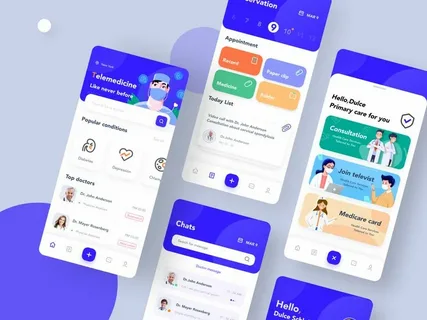

Telemedicine apps, effectively bridging the gap between healthcare providers and patients, have become a cornerstone of the healthcare industry. In these apps, features such as remote monitoring, appointment scheduling, and billing help increase engagement. If you’re looking to build a telemedicine app, let us tell you how these apps can help increase patient engagement. However, first, we will provide a brief introduction to these apps and outline the mandatory features that should be included in these apps.
What are Telehealth Apps?
Telehealth apps support remote healthcare services, allowing patients to connect with healthcare providers for various purposes, as given below:
- Consultation and treatment
- Remote monitoring
These apps utilize technologies such as video conferencing and messaging to deliver healthcare services. However, certain features must be present in these apps to ensure their success.
Features of Telehealth Apps
During the process of telemedicine app development, make sure to integrate the following features:
- User-friendly patient dashboards
- Appointment scheduling
- Payment and billing management
- Compatibility with various devices
- Patient and doctor profiles
- E-Prescription
- EHR integration
With these features and more, tailored to your needs, let us explain how telehealth apps can help you enhance patient engagement.
See Also: Dental Implants Abroad Why Helvetic Clinics is a Smart Choice
How Telehealth Apps Improve Patient Engagement?
The telehealth apps promise to enhance patient engagement by providing on-demand access to care, while also facilitating active patient participation in their treatment journey through improved communication and real-time monitoring. Below are more ways in which telehealth enhances patient engagement.
1. Access to Healthcare
Telemedicine apps enable patients to consult with their doctors remotely, regardless of their location, and this convenience fosters increased engagement. It is beneficial for patients with limited mobility or those located in rural or remote areas where medical facilities are scarce. All in all, telehealth helps patients avoid waiting in clinics or navigating traffic, which saves them both time and money. This instant availability also allows patients to maintain continuity of care. Instead of going through a lengthy process of booking appointments and waiting for doctors, they can simply access their doctors in just a few clicks.
Furthermore, features such as scheduling, reminders, and real-time chat also encourage patients to participate in their healthcare on a regular basis. This ease of access also helps in decreasing the chance of missed appointments and increases the follow-up rate of patients. All in all, the telemedicine app development services also create an environment where patients can actively participate in their healthcare decisions.
2. Personalized Care
Telemedicine apps play a vital role in delivering personalized care to patients. The patient data, including medical histories (treatment plans, medications, allergies, etc.), vital signs, and other information, stored on telehealth platforms, provides doctors with an overall view of a patient’s health. This data can help doctors create personalized treatment plans for patients, supporting an environment of proactive care. Now, with the integration of wearable devices or mobile sensors, doctors can continuously monitor their patients and intervene in the event of an anomaly or emergency. For managing chronic diseases, such as diabetes, hypertension, or asthma, these features are beneficial.
Furthermore, with the inclusion of technologies like AI-driven analytics, doctors can send timely reminders and alerts. Additionally, this consistent feedback makes patients feel more in control of their health journey. This level of personalization can also convert the passive patients into active ones, improving their long-term outcomes.
3. Appointment Scheduling
With telehealth apps, patients don’t have to go through the hassle of calling a clinic and getting an available time slot that fits their schedule. Now, patients can book appointments and consult with their physicians from the comfort of their homes. Furthermore, doctors can send reminders to their patients or send alerts in case of rescheduling, which effectively reduces the culture of missed appointments, potentially leading to delayed treatments and increased health risks. Some apps can have personal calendars, making it easier to handle healthcare alongside daily responsibilities.
4. Enhanced Communication
Another essential feature of telehealth app development that helps in increasing patient engagement is the use of multiple channels, which promote real-time interaction. The app’s features, including messaging, video consultations, and secure file sharing, help eliminate delays and streamline the process. Additionally, the apps can maintain digital records of past interactions, making it easier for patients and doctors to track their discussions and stay informed. This increases the customer engagement rate and helps patients maintain adherence to their treatment plan.
5. In-App Resources
Another way healthcare apps increase patient engagement is through the educational content they provide, which is tailored to patients’ specific needs and concerns. This can include FAQs, articles, videos, and other interactive tools. The presence of reliable information in the app helps patients better understand their diagnoses and adopt preventive care strategies. This also allows doctors to keep their patients educated, and educated patients ask informed questions. Recently, many apps have added features such as health quizzes, daily goals, or reward badges, which have made learning more engaging for patients. All in all, empowered patients can feel more in control, leading to higher patient satisfaction and, subsequently, an improvement in the patient engagement rate.
6. Multilingual Support
The telehealth app development services of today also offer their clients the option to include a multilingual support feature. This has significantly improved patient engagement. Some people might not consider this, but language barriers and literacy levels can limit patient engagement. Therefore, apps that incorporate features such as multilingual capabilities, text-to-speech options, and voice assistance can help enhance patient engagement. In a nutshell, not everyone is proficient in English, and providing patients with the ability to use their native language can facilitate better communication of symptoms, encourage more frequent use, and lead to a better understanding of medical advice.
7. Secure Messaging
Another feature of telemedicine apps that facilitates increasing patient engagement is the secure messaging feature. It allows patients to message their healthcare providers, which is particularly useful in cases of follow-ups or when patients need real-time guidance. In contrast to conventional emails, SMS is a secure option that maintains the confidentiality of messages and supports end-to-end encryption. To ensure security by HIPAA rules, it also includes access controls and audit logs, which help build user trust. This also helps preserve the history of written conversations, thereby promoting transparency and accountability.
8. EHR System
Telemedicine app development now prioritizes integration with electronic health records (EHR), which effectively increases patient engagement. This also helps improve transparency, as patients can view lab results, prescriptions, and treatment history without having to request them manually. Additionally, the centralized information repository enables doctors and patients to access and transfer data. Additionally, help providers make informed decisions based on a comprehensive view of the patient’s health history. It is a fact that patients are more likely to trust the healthcare system when they witness it being streamlined and data-driven. Additionally, this leads to fewer administrative hurdles, promotes meaningful interactions between doctors and patients, and further enhances the quality of long-term care.
Wrapping Up
The telemedicine apps offer multiple advantages with the potential to revolutionize the healthcare system. These apps can help hospitals reduce costs, improve patient outcomes, and enhance overall healthcare efficiency. In short, these apps, with their dynamic features such as video consultations, real-time patient engagement, and remote monitoring, help increase patient engagement.